Մագնեզիում

Մագնեզիումը քիմիական տարր է `Mg խորհրդանիշով և 12 ատոմային համարով: Այն փայլուն մոխրագույն պինդ նյութ է, որը խիստ ֆիզիկական նմանություն ունի պարբերական համակարգի երկրորդ սյունակի մյուս խմբի (2-րդ խմբի կամ ալկալային մետաղներ) մյուս բոլոր տարրերի. Բոլորը 2-րդ խմբի տարրերը ունեն էլեկտրոնի նույն կազմաձևը արտաքին էլեկտրոնային թաղանթում և նման բյուրեղային կառուցվածք:

Մագնեզիումը արտադրվում է խոշոր, ծերացող աստղերի մեջ ածխածնի միջուկին երեք հելիումի միջուկների հաջորդական ավելացումից: Երբ այդպիսի աստղերը պայթում են որպես գերնորություններ, մագնեզիումի մեծ մասը դուրս է մղվում միջաստղային միջավայր, որտեղ այն կարող է վերամշակվել նոր աստղային համակարգերի մեջ: Մագնեզիումը Երկրի ընդերքում ութերորդ ամենատարածված տարրն է և Երկրի չորրորդ ամենատարածված տարրը (երկաթից, թթվածնից և սիլիցիումից հետո) ՝ կազմելով մոլորակի զանգվածի 13% -ը և մոլորակի թիկնոցի մեծ մասը: Դա ծովային ջրում լուծված երրորդ ամենատարածված տարրն է ՝ նատրիումից և քլորից հետո:

Մագնեզիումը բնականաբար տեղի է ունենում միայն այլ տարրերի հետ համատեղ, որտեղ անփոփոխ ունի +2 օքսիդացման վիճակ: Ազատ տարրը (մետաղը) կարող է արհեստականորեն արտադրվել և խիստ ռեակտիվ է (չնայած մթնոլորտում այն ​​շուտով պատված է օքսիդի բարակ շերտով, որը մասամբ խանգարում է ռեակտիվությունը. Տե՛ս պասիվացում): Ազատ մետաղն այրվում է բնորոշ փայլուն-սպիտակ լույսով: Այժմ մետաղը ստացվում է հիմնականում աղաջրից ստացված մագնեզիումի աղերի էլեկտրոլիզի միջոցով և հիմնականում օգտագործվում է որպես ալյումին-մագնեզիում համաձուլվածքների բաղադրիչ, երբեմն կոչվում է մագնալիում կամ մագնելիում: Մագնեզիումը պակաս խիտ է, քան ալյումինը, և խառնուրդը գնահատվում է թեթևության և ուժի համադրության համար:

Մագնեզիումը զանգվածով տասնմեկերորդ ամենատարածված տարրն է մարդու մարմնում և անհրաժեշտ է բոլոր բջիջների և մոտ 300 ֆերմենտների համար: Մագնեզիումի իոնները փոխազդում են պոլիֆոսֆատային միացությունների հետ, ինչպիսիք են ATP- ն, DNA- ն ու RNA- ն: Հարյուրավոր ֆերմենտների գործարկման համար անհրաժեշտ է մագնեզիումի իոններ: Մագնեզիումի միացությունները օգտագործվում են բժշկորեն որպես ընդհանուր լուծողականներ, հակաթթուներ (օրինակ ՝ մագնեզիայի կաթ) և աննորմալ նյարդերի գրգռումը կամ արյան անոթների սպազմը կայունացնելու համար `այնպիսի պայմաններում, ինչպիսին է էկլամպսիան:
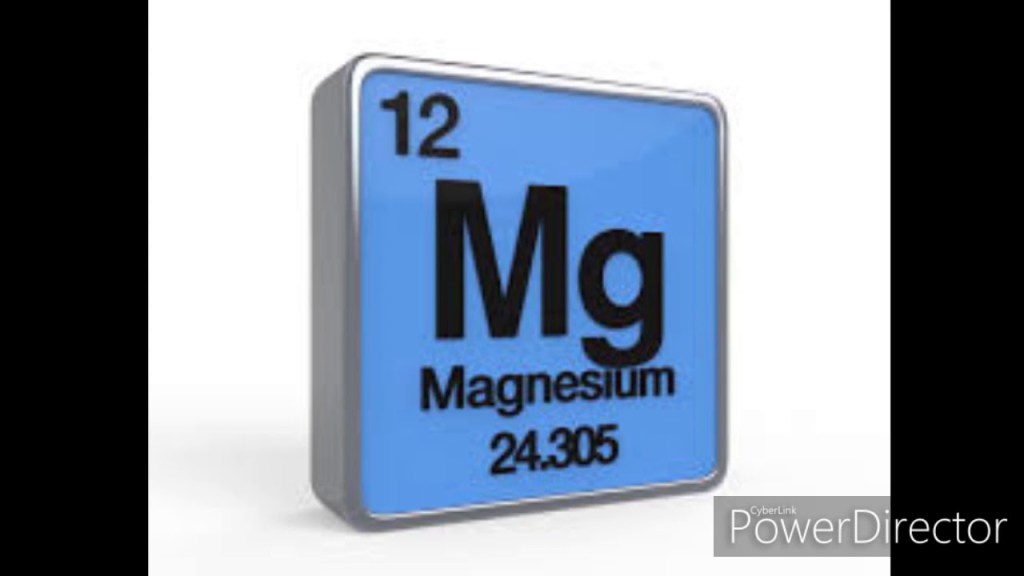
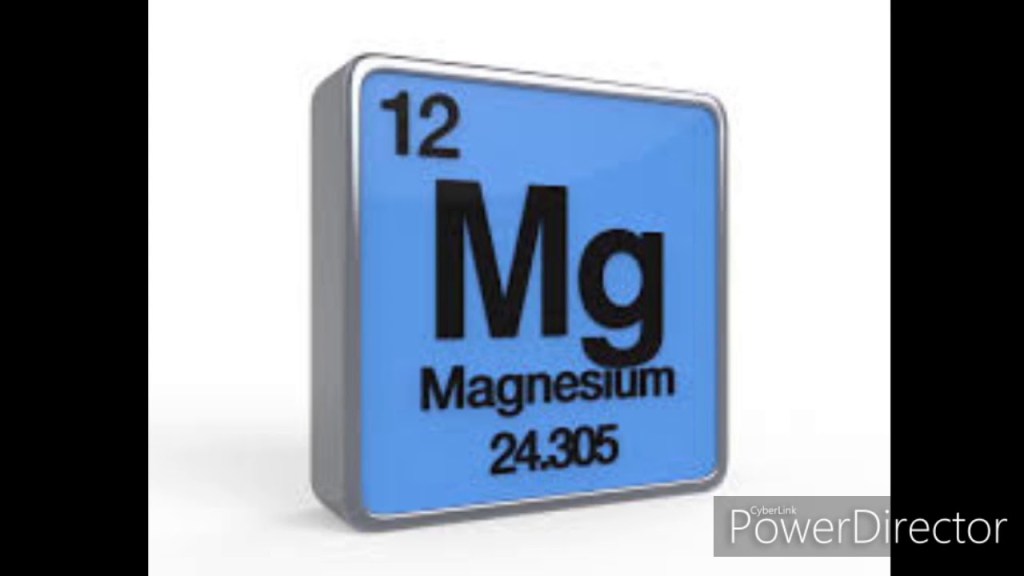
Մագնեզիում

Magnesium is a chemical element with the symbol Mg and atomic number 12. It is a shiny gray solid which bears a close physical resemblance to the other five elements in the second column (group 2, or alkaline earth metals) of the periodic table: all group 2 elements have the same electron configuration in the outer electron shell and a similar crystal structure.

Magnesium is produced in large, aging stars from the sequential addition of three helium nuclei to a carbon nucleus. When such stars explode as supernovas, much of the magnesium is expelled into the interstellar medium where it may recycle into new star systems. Magnesium is the eighth most abundant element in the Earth’s crust and the fourth most common element in the Earth (after iron, oxygen and silicon), making up 13% of the planet’s mass and a large fraction of the planet’s mantle. It is the third most abundant element dissolved in seawater, after sodium and chlorine.

Magnesium occurs naturally only in combination with other elements, where it invariably has a +2 oxidation state. The free element (metal) can be produced artificially, and is highly reactive (though in the atmosphere it is soon coated in a thin layer of oxide that partly inhibits reactivity – see passivation). The free metal burns with a characteristic brilliant-white light. The metal is now obtained mainly by electrolysis of magnesium saltsobtained from brine, and is used primarily as a component in aluminium-magnesium alloys, sometimes called magnalium or magnelium. Magnesium is less dense than aluminium, and the alloy is prized for its combination of lightness and strength.

Magnesium is the eleventh most abundant element by mass in the human body and is essential to all cells and some 300 enzymes.  Magnesium ions interact with polyphosphate compounds such as ATP, DNA, and RNA. Hundreds of enzymes require magnesium ions to function. Magnesium compounds are used medicinally as common laxatives, antacids (e.g., milk of magnesia), and to stabilize abnormal nerve excitation or blood vessel spasm in such conditions as eclampsia.

Halogen

A halogen is a chemical element that forms a salt when it reacts with metal. … There are five halogens in the periodic table of chemical elements: fluorine, chlorine, bromine, iodine, and astatine. The halogens are all highly reactive, which means they’re quick to form bonds with other elements.

Chlorine is the best known of the halogen elements. The free element is widely used as a water-purification agent, and it is employed in a number of chemical processes. Table salt, sodium chloride, of course, is one of the most familiar chemical compounds. Fluorides are known chiefly for their addition to public water supplies to prevent tooth decay, but organic fluorides are also used as refrigerants and lubricants. Iodine is most familiar as an antiseptic, and bromine is used chiefly to prepare bromine compounds that are used in flame retardants and as general pesticides. In the past ethylene dibromide was extensively used as an additive in leaded gasoline.

These fire elements release substances that are toxic to humans in the form of toxic fumes but also cause corrosion of metals. Halogen-free plastics are safer, and products from them are particularly convenient to collection and escape routes (public spaces, railway stations, theaters, cinemas, shopping centers, etc.).

Chemistry

Oxygen distribution on the planet

At least half of Earth’s oxygen comes from the ocean.Scientists estimate that 50-80% of the oxygen production on Earth comes from the ocean. The majority of this production is from oceanic plankton — drifting plants, algae, and some bacteria that can photosynthesize.

Chemical Properties of Oxygen

At standard temperature and pressure (STP), two atoms of the element bind to form dioxygen, a colorless, odorless, tasteless diatomic gas with the formula O2. Oxygen is a member of the chalcogen group on the periodic table and is a highly reactive nonmetallic elemen

Use of oxygen

Common uses of oxygen include production of steel, plastics and textiles, brazing, welding and cutting of steels and other metals, rocket propellant, oxygen therapy, and life support systems in aircraft, submarines, spaceflight and diving.

Oxidation-reduction reactions

An oxidation-reduction (redox) reaction is a type of chemical reaction that involves a transfer of electrons between two species. An oxidation-reduction reaction is any chemical reaction in which the oxidation number of a molecule, atom, or ion changes by gaining or losing an electron. Redox reactions are common and vital to some of the basic functions of life, including photosynthesis, respiration, combustion, and corrosion or rusting.

Individual research work

About the most important properties of oxygen (breathing, burning)

Oxygen is the first element in Group 16 (VIA) of the periodic table. The periodic table is a chart that shows how chemical elements are related to each other. The elements in Group 16 are said to belong to the chalcogen family. Other elements in this group include sulfur, selenium, tellurium, and polonium. The name chalcogen comes from the Greek word chalkos, meaning «ore.» The first two members of the family, oxygen and sulfur, are found in most ores.

Oxygen is by far the most abundant element in the Earth’s crust. Nearly half of all the atoms in the earth are oxygen atoms. Oxygen also makes up about one-fifth of the Earth’s atmosphere. Nearly 90 percent of the weight of the oceans is due to oxygen. In addition, oxygen is thought to be the third most abundant element in the universe and in the solar system.

The discovery of oxygen is usually credited to Swedish chemist Carl Wilhelm Scheele (1742-86) and English chemist Joseph Priestley (1733-1804). The two discovered oxygen at nearly the same time in 1774, working independently of each other.

What is the atmosphere, the layers

The atmosphere is comprised of layers based on temperature. These layers are the troposphere, stratosphere, mesosphere and thermosphere. A further region at about 500 km above the Earth’s surface is called the exosphere.

Toxic substances in the air

Toxic, or hazardous, air pollutants cause or are suspected of causing cancer, birth defects, or other serious harms. They can be gases, like hydrogen chloride, benzene or toluene, dioxin, or compounds like asbestos, or elements such as cadmium, mercury, and chromium.

Oxygen

Discovered

Oxygen was discovered by the Swede Scheele and the Englishman Priestley independently of each other during the late 18th century. For most of the 18th century, it was considered that a volatile substance, phlogiston, was emitted during all combustion. When the French chemist Lavoisier showed that metals increased their weight during combustion, those who believed in the phlogiston theory were forced to assume that phlogiston had a negative weight. Reluctantly, the phlogiston theory was abandoned

Characteristics

Oxygen, O2, lacks color, odor and taste. Liquid oxygen has a pale blue color and is paramagnetic, which means that it is weakly attracted to a magnet. Ozone, O3, which can be formed by electrical discharges or by ultraviolet light on oxygen, is chemically very active. The ozone layer found in the upper part of the atmosphere is of great importance for life on earth because it prevents large parts of the dangerous ultraviolet radiation from reaching the earth’s surface. Ozone is very toxic. The limit value in air is 0.2 mg / m3. Liquid ozone is bluish and solid ozone is black-violet. Natural oxygen is a mixture of three isotopes. Nine isotopes are known.

Use

 Part of hundreds of thousands of associations. Oxygen is important for plants and animals and for practically all combustion.

Presence

Oxygen is the most common element in the earth’s crust — about 49% by weight. In the sun, oxygen is the third substance after hydrogen and helium. The sun’s red and yellow-green aura comes from oxygen. About 2 thirds of our body and 90% of water is oxygen.

Production

 The plants release almost all the oxygen on earth. In the laboratory, oxygen can be produced by electrolysis of water or by heating potassium chlorate with magnesium dioxide as catalyst.

Hydrogen

General information about the element hydrogen

Hydrogen is a colorless and odorless combustible gas that is the universe’s most abundant element. It is estimated that about 88% of all atoms in the universe are hydrogen atoms. Hydrogen is a very simple substance without particularly peculiar properties, but in combination with other elements it can form very strange chemical compounds. The most special is H2O (water), which should be a gas at room temperature, and which, unlike most other substances, expands when it freezes. This is due to special compounds between the hydrogen atoms in the water molecules that make them take up more space in the cold state.

Hydrogen has been used in industry for many years, for rocket engines, balloon transport and the like. But hydrogen may in the future play a far greater role for e.g. energy supply. But that energy can also be released again in, for example, fuel cells, in which hydrogen is converted into water and electricity. This principle can be used, for example, in hydrogen cars.A hydrogen car is powered by an electric motor that receives electricity via a fuel cell instead of a battery. The hydrogen car is a climate-friendly alternative to ordinary cars that run on fossil fuels and pollute with CO2.

Hydrogen is highly flammable and combines easily with oxygen to form water. When hydrogen is mixed with air, an explosive mixture is formed which can be ignited with a single spark. It is such a powerful fuel that the space shuttle’s main engines are powered by hydrogen

Brief history of hydrogen

Hydrogen was actually discovered as early as the 16th century by the Swiss physician and natural philosopher Paracelsus, but he did not understand what it was. Without the one who would then be counted as the discoverer of hydrogen is the Englishman Henry Cavendish, who was the first to isolate something he called «combustible air». This happened sometime between the years 1766 and 1781. However, the person who gave hydrogen its name was the French chemist Antoine Lavoisier. In 1783, Laviosier succeeded in producing hydrogen from water and therefore hydrogen gave the French name hydrogené (water creator), from the Greek hydro (water) and gene (I create).

Hydrogen properties, production and use

In pure form, hydrogen is a colorless and odorless gas that burns easily and reacts strongly with oxygen. A mixture of hydrogen and oxygen can form explosive gas, which gives off a powerful bang during combustion. Hydrogen is the most common substance in the world, but despite this, hydrogen is rare in pure form in the atmosphere. Hydrogen is instead present in many chemical compounds, e.g. hydrocarbons, however, the most common occurrence is in water where hydrogen is present in combination with oxygen.

A vital gas in many ways

In fact, hydrogen is necessary for all living things, not only in the form of hydrogen being one of the building blocks of the vital water or the organic compounds that make up all living organisms, hydrogen is also what allows the sun to heat the earth. Every second, the sun converts 600,000,000 tons of hydrogen into helium and the energy that radiates from its surface. Although it sounds huge, we do not have to worry, it will be five billion years before the sun has run out of all the hydrogen it contains.

Production and use

 In pure form, hydrogen can be produced from hydrocarbons or by electrolysis of water, and some examples of practical use of hydrogen are for the production of ammonia in the petroleum industry or together with nitrogen for leak detection and to store energy. The hydrogen gas burns easily and can also be used in fuel cells. In the past, hydrogen was used in balloons, but this use fell sharply after the disaster following the fire in the German airship LZ 129 Hindenburg in 1937.

Քիմիա

Տնային աշխատանք՝ ընտրեք կենցաղում կամ շրջապատում 2-3 նյութ,գրեք դրանց բանաձևերը և կատարեք հետևյալ հաշվարկները`

  • Ինչպիսի՞ տարրերից են կազմված նյութը,ատոմների քանակը
  • Հաշվեք հարաբերական մոլեկուլային զանգվածները՝Mr
  • Որոշեք տարրերի զանգվածային բաժինները՝w,զանգվածային հարաբերությունները  և  տարրերի  մոլային  բաժինները բարդ  նյութերում:

H2O — ջուր — 3 ատոմ — H , O ; Mr(H2O) = 1 x 2 + 16 = 18 ; 
NaCl -կերակրի աղ — 2 ատոմ — Na , Cl ; Mr(NaCl) = 23 + 35 = 58
Al — ալյումինում — 1 ատոմ — Al — Mr = 27

Ջրի մասին

Եթե երկիրը լիովին հարթ և հավասար լիներ, մենք կխորացնեինք 2600 մետր հաստությամբ ջրային շերտ, եթե օվկիանոսում օգտագործեինք բոլոր ծովային ջրերը: Առանց ջրի, երկրի վրա կյանք չէր օգտագործվի: Բոլոր կենդանի էակները կախված են ջրի գոյությունից: Բայց երկրի ջրի մեծամասնությունը (97 տոկոսը) ոչ խմելու աղն է: Ընդհանուր ծավալի ընդամենը երեք տոկոսից ցածր գնահատվում է քաղցր

Ջուրը կարող է լինել երեք տարբեր ձևերի ՝ հեղուկ, պինդ (սառույց), գազային (ջրային գոլորշի)

Մենք մարդիկ ամեն օր ազատվում ենք 2 — 4 լիտր ջրով: Մենք դա անում ենք կլանելով, քրտնելով և մեր շնչած օդով: Բայց հեղուկը հետ ենք բերում խմելով, օրինակ ՝ ջուր և թեյ:

Մեր ջուրը անընդհատ պտտվում է մի ցիկլով: Արևը տաքացնում է ջրի մակերեսը լճերում և օվկիանոսում, ջուրը գոլորշիանում է դեպի գոլորշի: Երբ գոլորշին բարձրանում է վերև, այն ստեղծում է ամպեր: Ամպերից հետո ջուրը, ի վերջո, կրկին ընկնում է անձրևի, ձյան կամ կարկուտի պես և կուտակվում է մեծ գետերում: Գետերից ջուրը հոսում է դեպի ծով: